

Mosaic Knitting: The Easiest Way to Play with Color
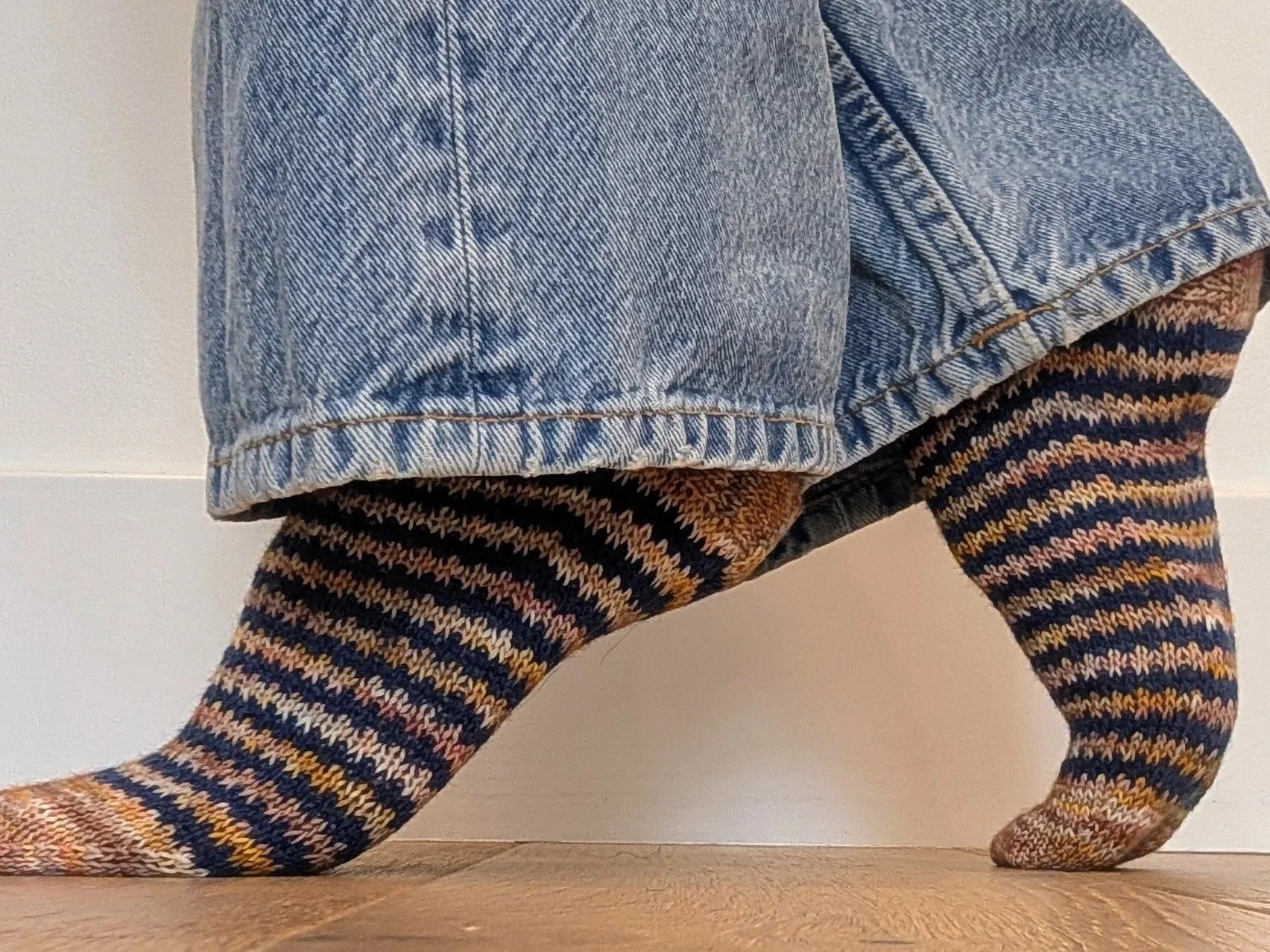
In my opinion, mosaic colorwork is the perfect technique to begin colorwork knitting, especially if you’ve been intimidated by it in the past. The technique allows you to create beautiful geometric patterns using multiple colors, while only knitting with one color each row.
The design is created using a combination of slipped stitches and yarn changes. You’ll knit across each row in one color. When you change colors, you’ll knit in a second color while slipping stitches from the first color. Those slipped stitches pull the first color into the row with the second color, and create the design.
If you’re working flat, the color will generally change every 2 rows, so you only carry the yarn up one side. When working in the round, you have more flexibility, so color changes are not so rigid. But keep in mind, stitches may be stretched across multiple rows, so tension is just as important in mosaic colorwork as it is in any other colorwork technique.
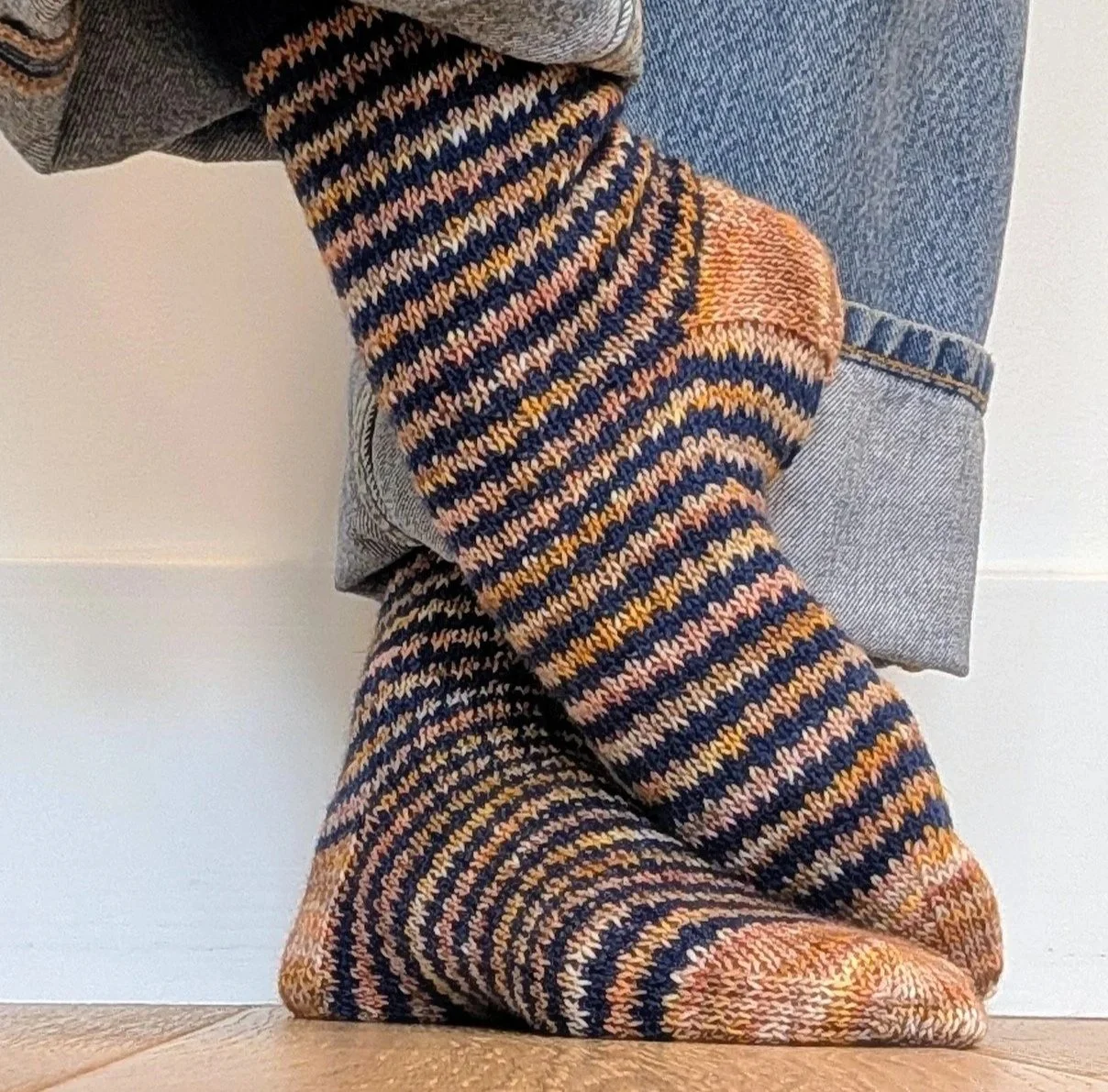
Give Mosaic Knitting a try with the Bigfooting Around Sock Pattern.
How to knit Mosaic (using Bigfooting Around Socks as an example):
Step 1: After knitting the ribbing in your contrast color, attach your main color.
Step 2: Knitting the next round only with the main color, work the slip stitch/knit stitch pattern.
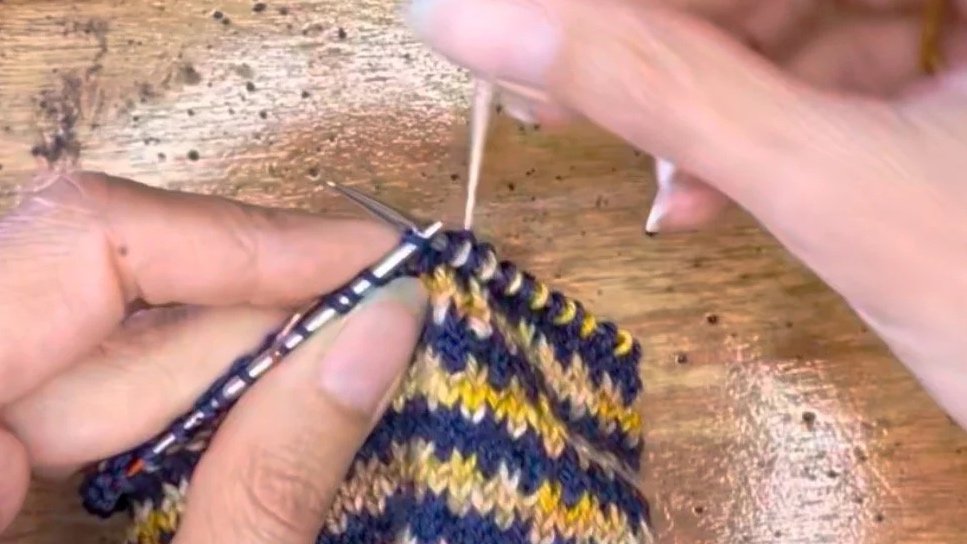
Step 3: Using the main color, knit the next round.
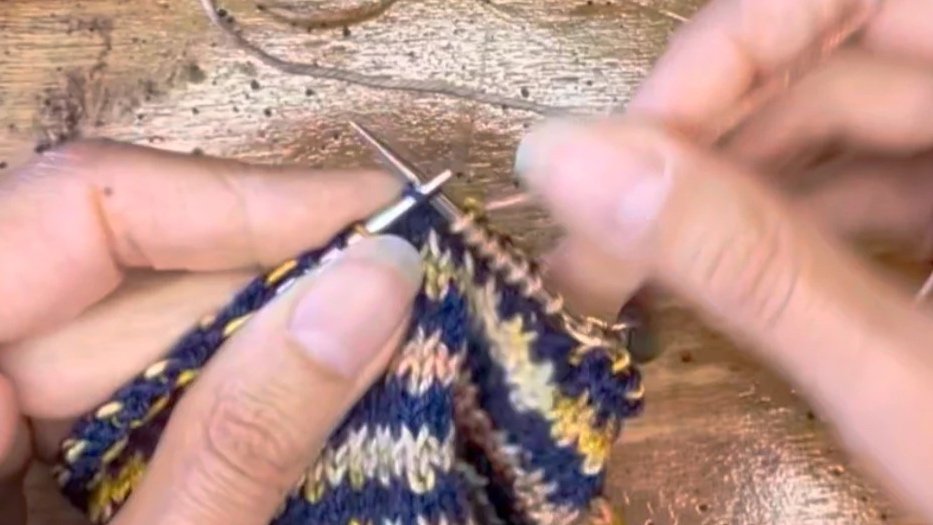
Step 4: Drop the main color and pick up the contrast color. Work the next round in the slip stitch/knit stitch pattern.
Step 5: Using the contract color, knit the next round.
Step 6: follow the pattern to complete your mosaic sock.
To keep your mosaic projects looking sharp, keep these four tips in mind:
Slip purlwise with yarn on the wrong side: Always slip stitches purlwise with the yarn held on the wrong side. Remember, if you’re knitting flat, this means the yarn will be held in front when knitting wrong side rows.
Stretch your stitches: Always stretch your stitches out on the right needle to ensure your tension is even and your floats are long enough to keep the fabric stretchy. Because of the tension of the slipped stitches, Mosaic colorwork has a tendency to pucker, or curl when worked flat. Ensuring you have knit your stitches loose enough to stretch over one or two rows is key to minimizing this result.
Cross your yarns: When switching colors, be sure to cross them in the back, the same way you would with any other colorwork technique. This is what keeps you from creating those little holes people so often get at each color switch. (This is a whole topic on its own and will get a tutorial and blog post soon!)
Choose colors with high contrast: This doesn’t mean you’re limited to tonals. In fact, variegated and speckled yarns work wonderfully. You just have to be sure the contrast yarn you choose contrasts with all the colors in your variegated or speckled yarn. As you can see from the Bigfooting Around Socks, Valley of the Kings is a beautiful variegated yarn of yellows, pinks, purples, and oranges. The strong contrasting dark blue of Aces pops beautifully against it and makes each row stand out.
Fixing a Mistake in Mosaic Colorwork
It’s absolutely not the end of the world if you knit a stitch you’re supposed to slip. The Bigfooting Around Socks pattern switches color every 3 rows. To identify a mistake, count the stitches in each column. The pattern should read: 3 stitches of one color, 2 stitches, repeating across the stripe. If you look down a column and see 3 stitches where there should only be 2, you know a stitch that should have been slipped was accidentally knit.
To fix this, ladder down to the stitch that was worked incorrectly and then work your way back up following the slip stitch/knit pattern for that column. This means you will skip picking up the first horizontal bar in the new color to mimic that missed slipped stitch, and then pick up and knit the next 2 bars in order. When you reach the color shift, simply skip or pick up the bars at the right interval to match the pattern, and you're good to go.