

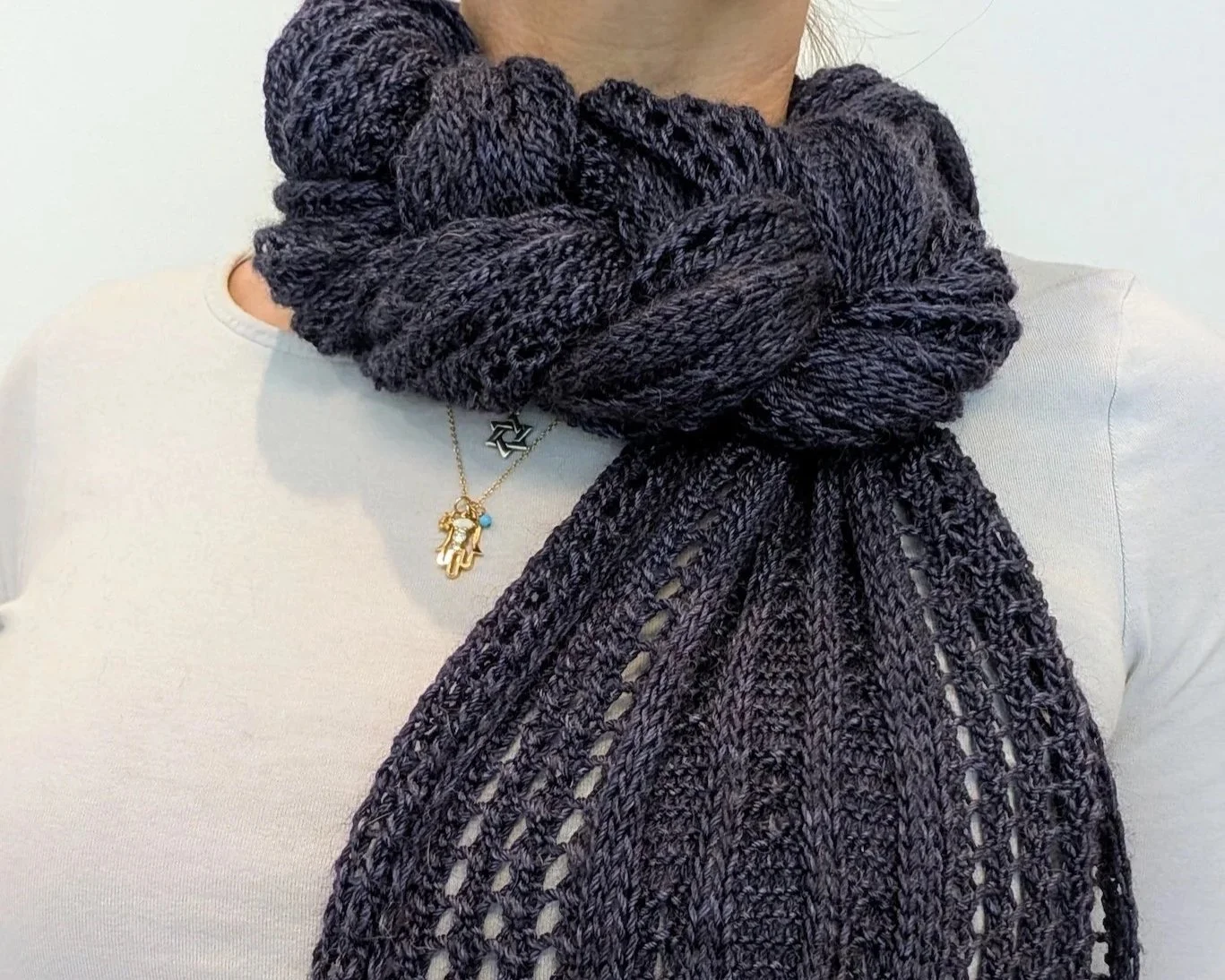
Yarn Substitutions Part 2: Fiber and Structure
Substituting yarn goes far beyond matching gauge. From understanding memory and twist to navigating superwash versus non-superwash wool, this guide breaks down how fiber content and yarn structure impact the drape, warmth, and durability of your finished project.

Yarn Substitutions Part 1: Weight and Gauge
Substituting yarn is a matching game between thickness and fabric density. If a change in yarn weight has you worried about ruinous sweater sag or shrunken shawls, this guide breaks down exactly how to read yarn labels, choose the right needles, and use simple math to adjust your stitch counts perfectly.
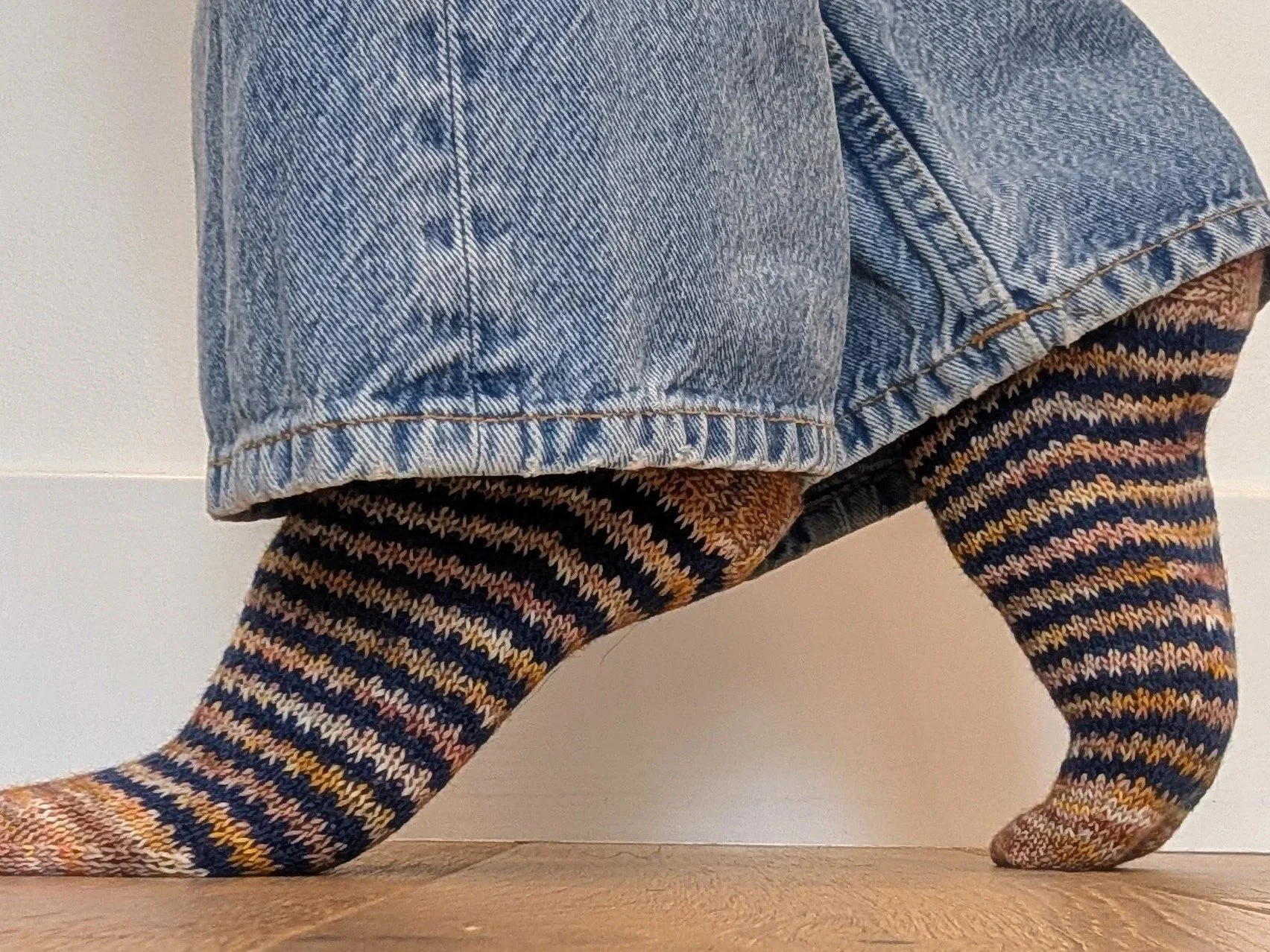
Mosaic Knitting: The Easiest Way to Play with Color
In my opinion, mosaic colorwork is the perfect technique to begin colorwork knitting, especially if you’ve been intimidated by it in the past. The technique allows you to create beautiful geometric patterns using multiple colors, while only knitting with one color each row. Designs are created using a combination of slipped stitches and yarn changes.
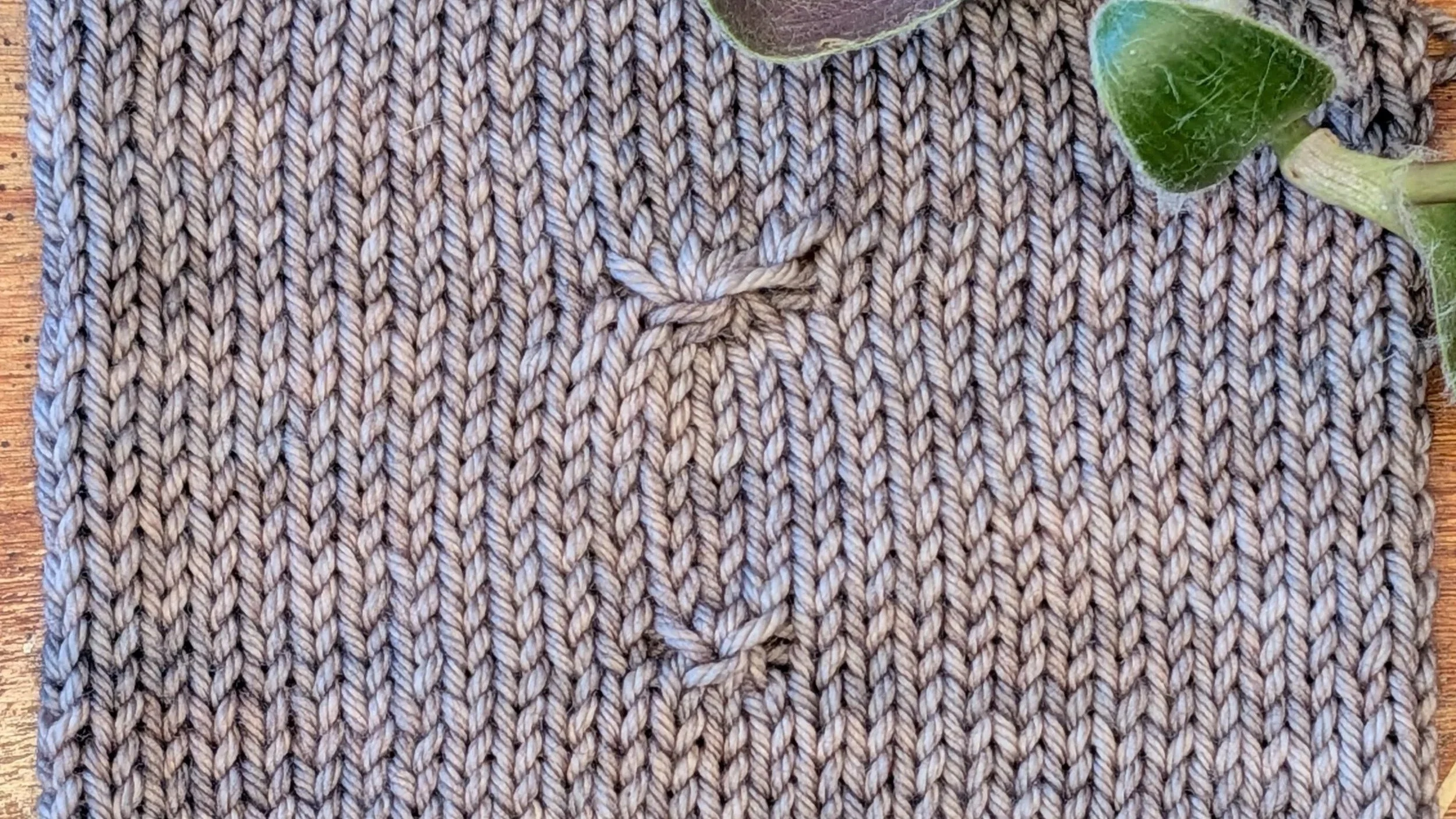
Understanding the Petal Stitch
Learn how to work the decorative Petal Stitch using a simple two-row repeat. This tutorial breaks down the step-by-step instructions for the 3-stitch version flat and in the round, what to expect with your tension, and the best tools to use for a smooth knit.
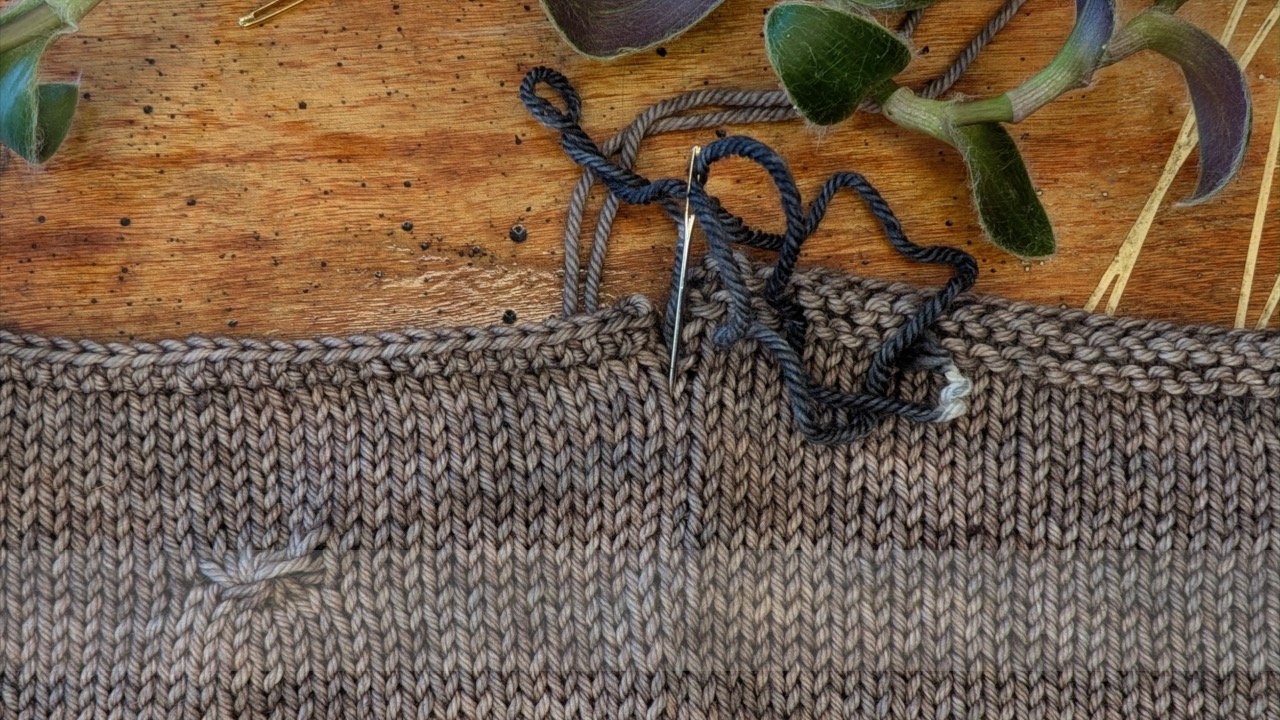
Seaming: Mattress Stitch
The mattress stitch is my favorite technique for joining knit fabric, but finishing isn't one-size-fits-all. Learn how to create a clean, invisible seam along with the practical choices you can make regarding seam strength, bulk, and stitch placement depending on what you’re making.
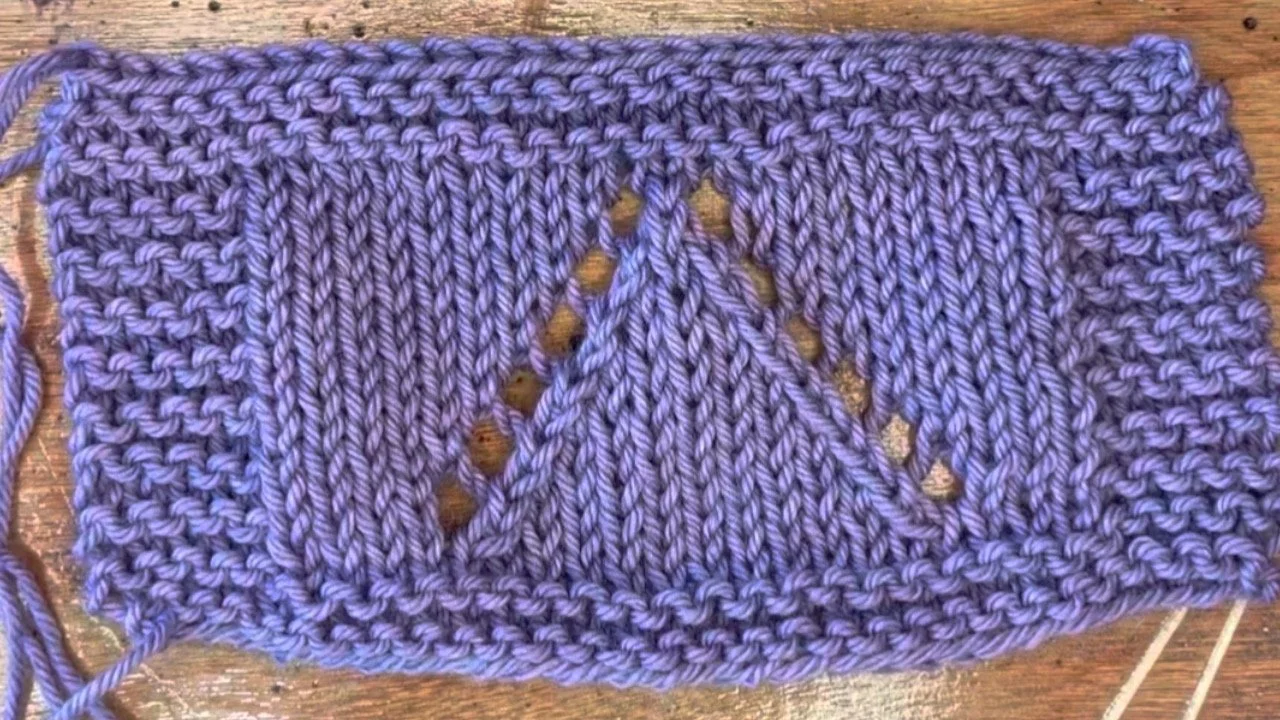
Demystifying the Center Double Decrease (CDD)
The Center Double Decrease (CDD) is a fundamental technique for creating perfectly symmetrical shaping and crisp, vertical lines. Learn how it works, why it's used, and how to avoid common mistakes in this quick guide and video tutorial.
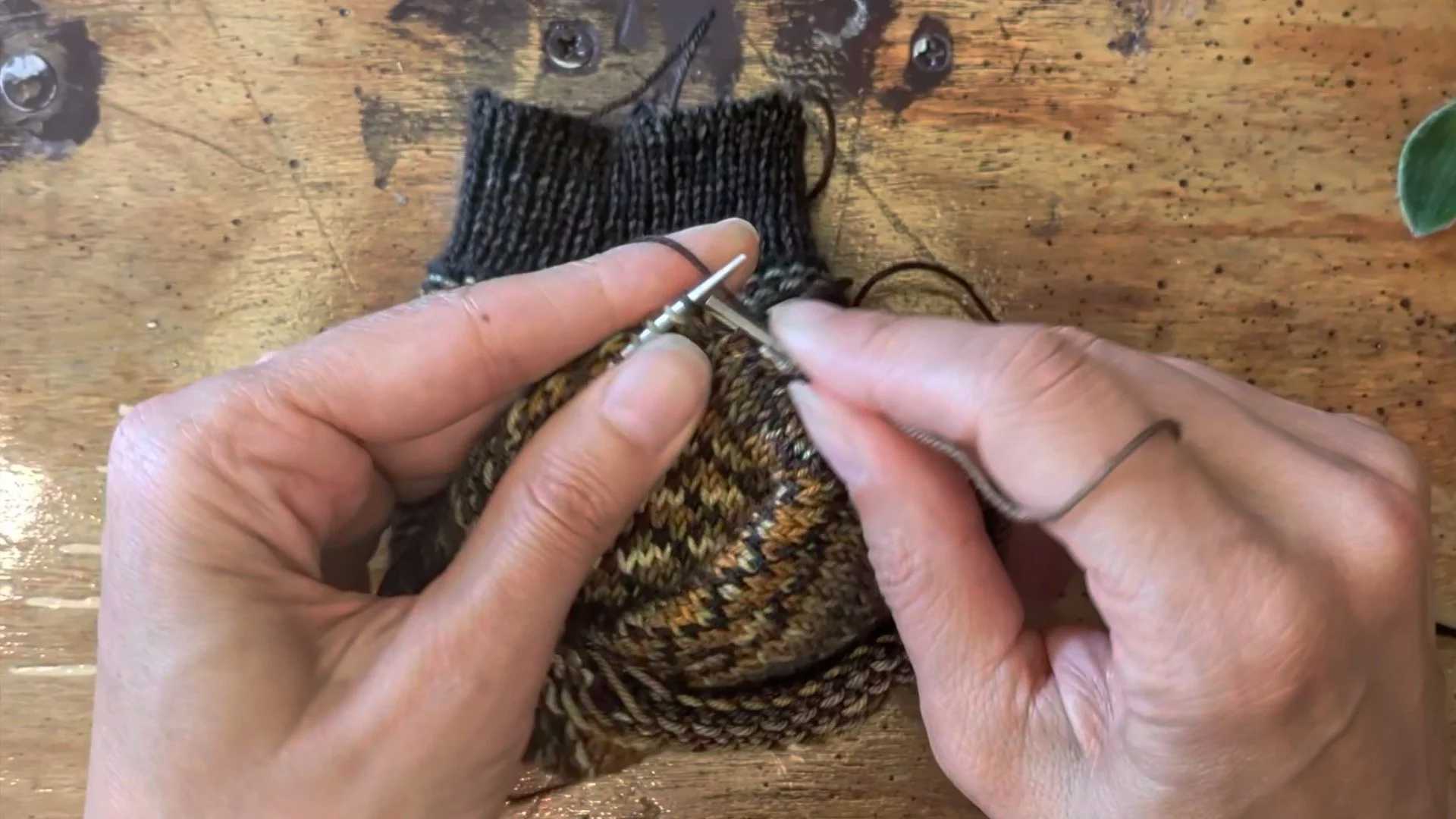
Fixing Your Floats: Knit Socks that Fit.
There is nothing worse than knitting a cuff-down sock only to realize it won't clear your ankle. Because stranded colorwork is naturally denser and less elastic than stockinette, getting the fit right requires a few strategic shifts. From "stretching as you go" to the intimidation-free way to knit inside out, here are four techniques to ensure your colorwork socks are as functional as they are beautiful.
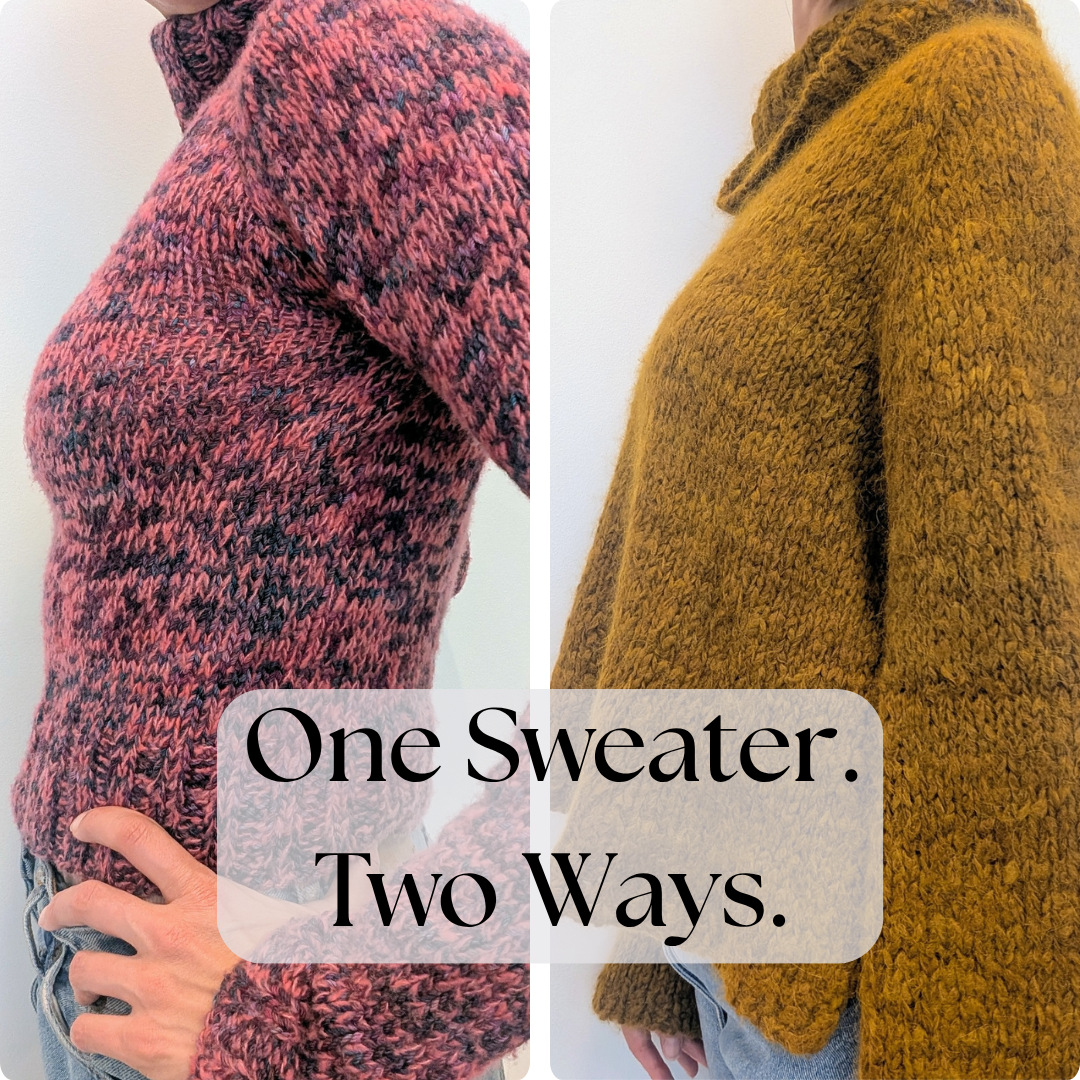
A tale of two sweaters
Knitting the same pattern twice can yield two completely different results. Understanding the relationship between fiber content, fabric density, and yarn memory gives you the power to move beyond the pattern and create a finished object that fits your exact vision.
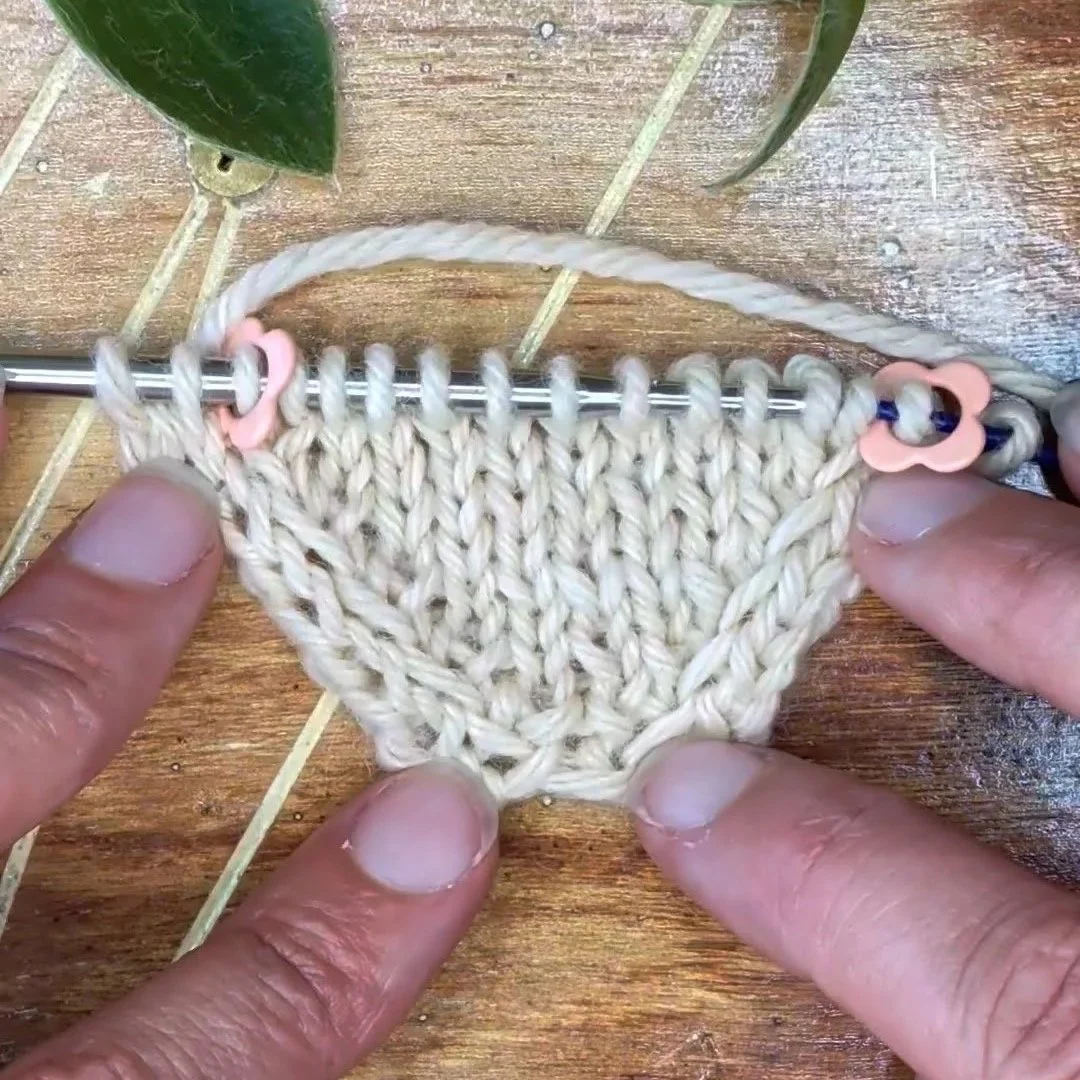
Mastering the Lifted Increase
Lifted increases are my favorite way to achieve a polished, seamless look in my knitting. In this tutorial, we’ll dive into the technical details of the Left Lifted Increase (LLI) and Right Lifted Increase (RLI). I’ll show you how to use these techniques for clean raglan shaping and how to substitute them into any pattern for a mirrored, intentional finish.
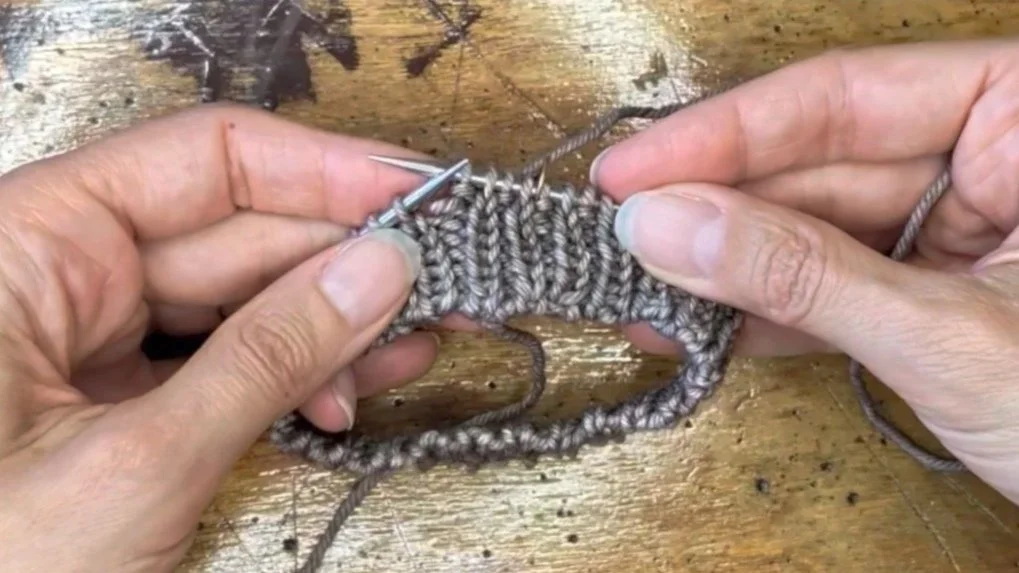
A Simplified Tubular Cast On for a Clean & Easy Finish
A simplified approach to the tubular cast on that skips the complexity but keeps the clean, stretchy edge. This knitting tutorial covers my go-to method for 1x1 ribbing using just one foundation row, ensuring a clean, stretchy edge every time you work flat or in the round.
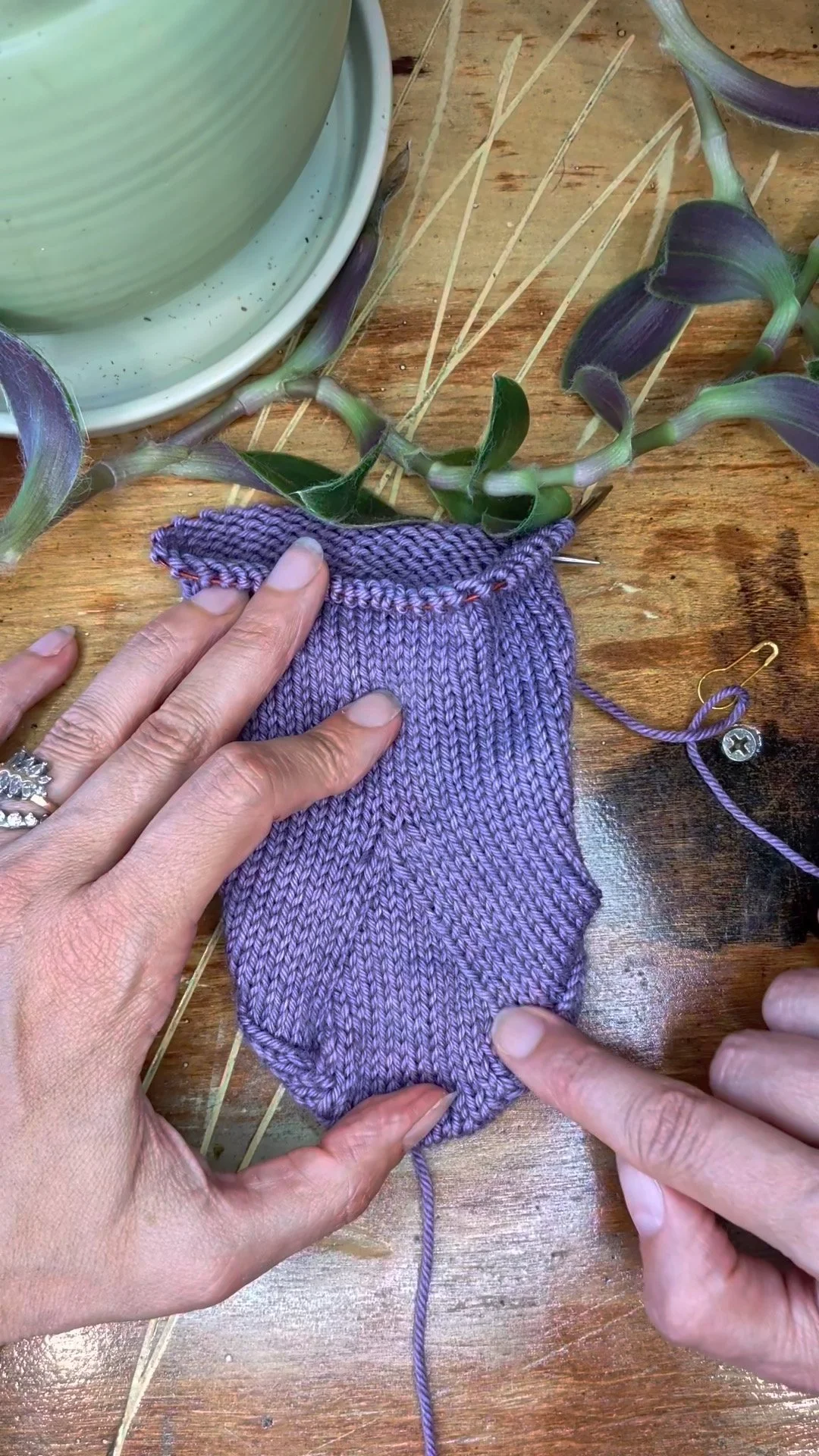
A Simple Technique for a Polished Finish
People always ask if it’s a typo when they see a k1tbl worked directly over an ssk in my patterns. It’s not. It’s just my favorite way to turn those "stairs" into a clean, slanted line. Here is the simple shift that makes your decreases look just a little more polished.
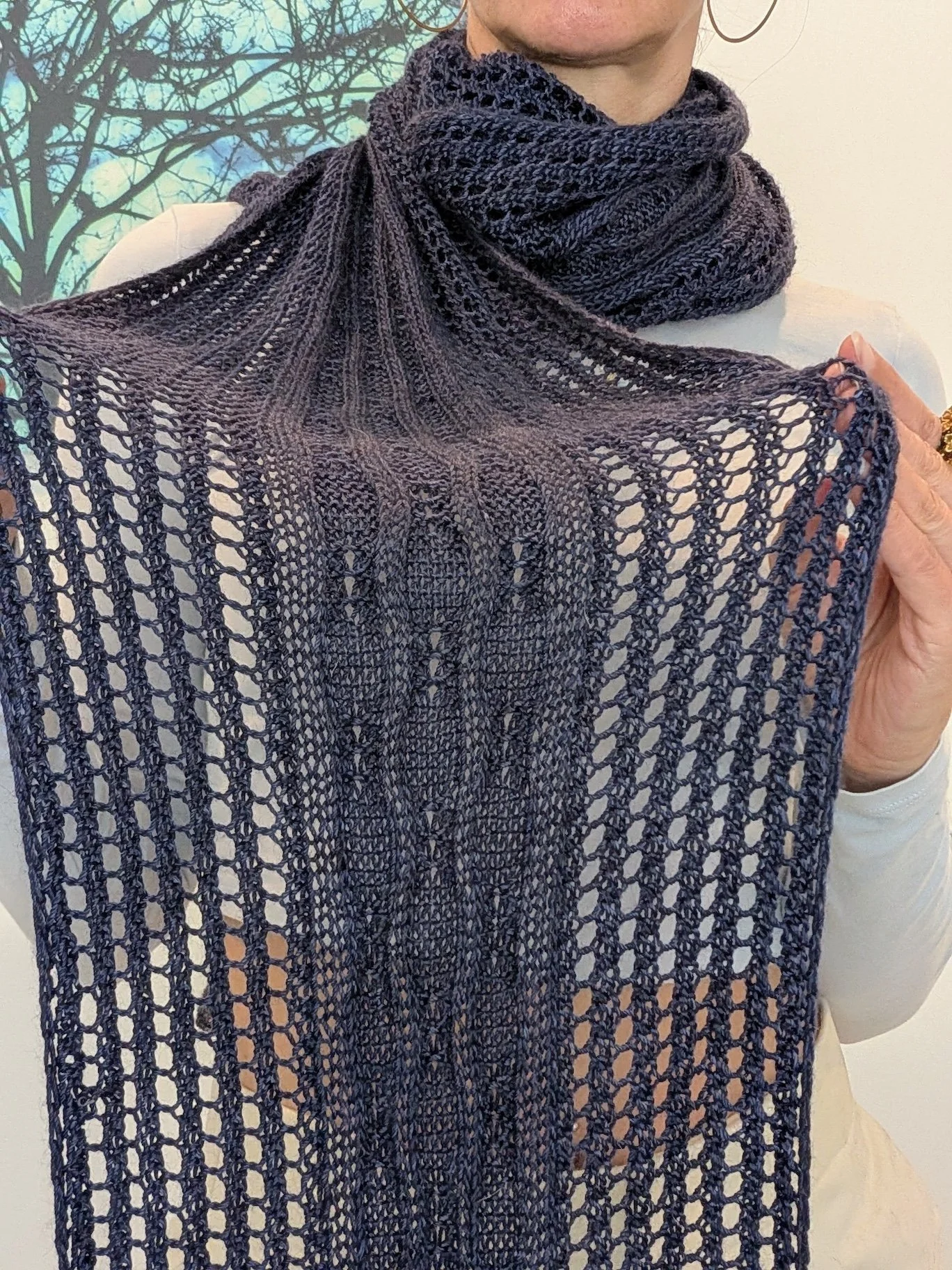
Four Ways to Yarn Over (and When to Use Which)
Ever ended up with a yarn over hole that looks more like a structural failure than a design choice? Most patterns just say "yo" and leave you to figure it out, but the technique actually changes depending on the stitches around it. I’ve broken down the 4 essential ways to yarn over so you can stop overthinking and get back to knitting.
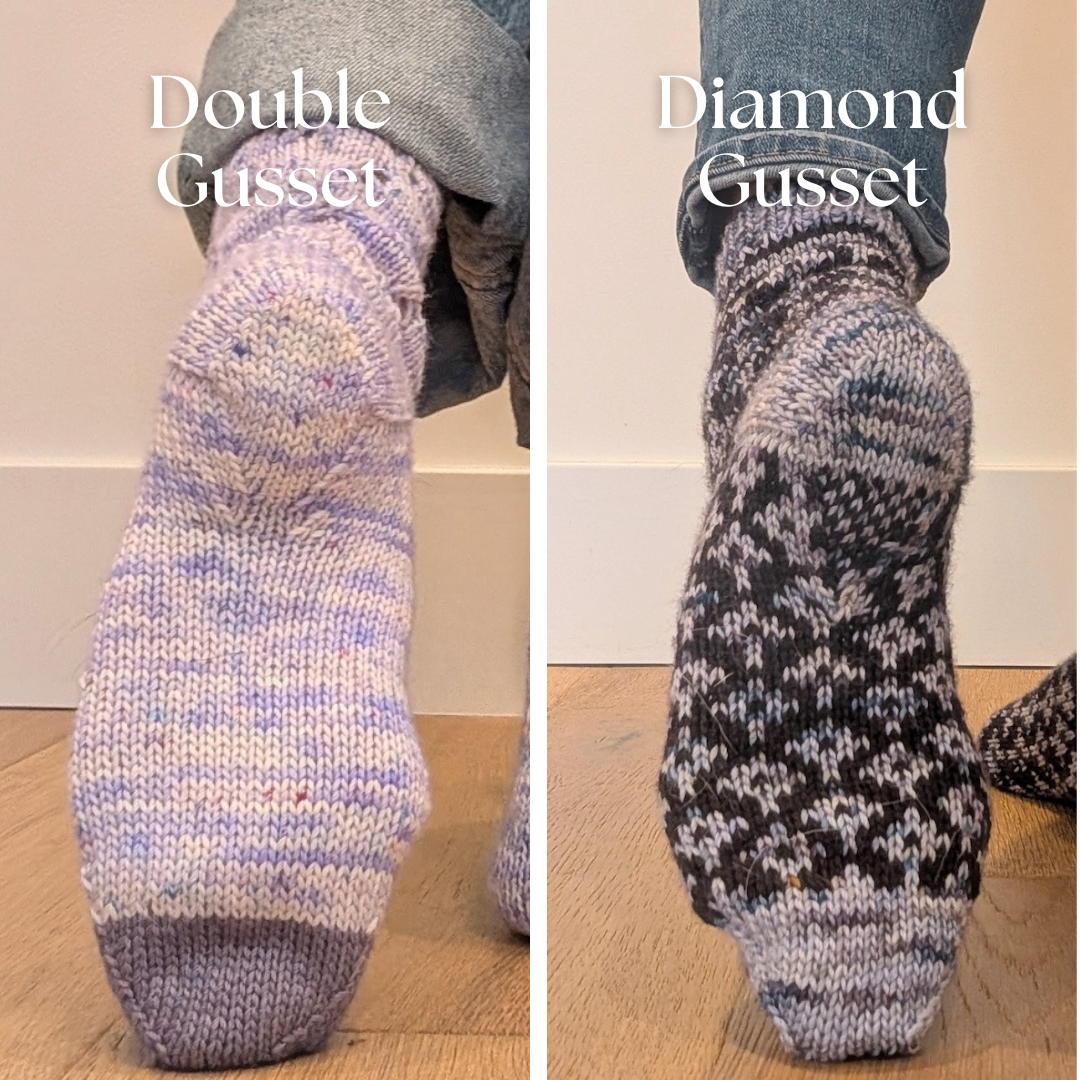
Shaping Your Socks: Why the Arch Matters
Picking the right size and nailing gauge and ease are the first steps to knitting a sock that fits. But the real secret is in the shaping.
My Top Four Knitting Tips
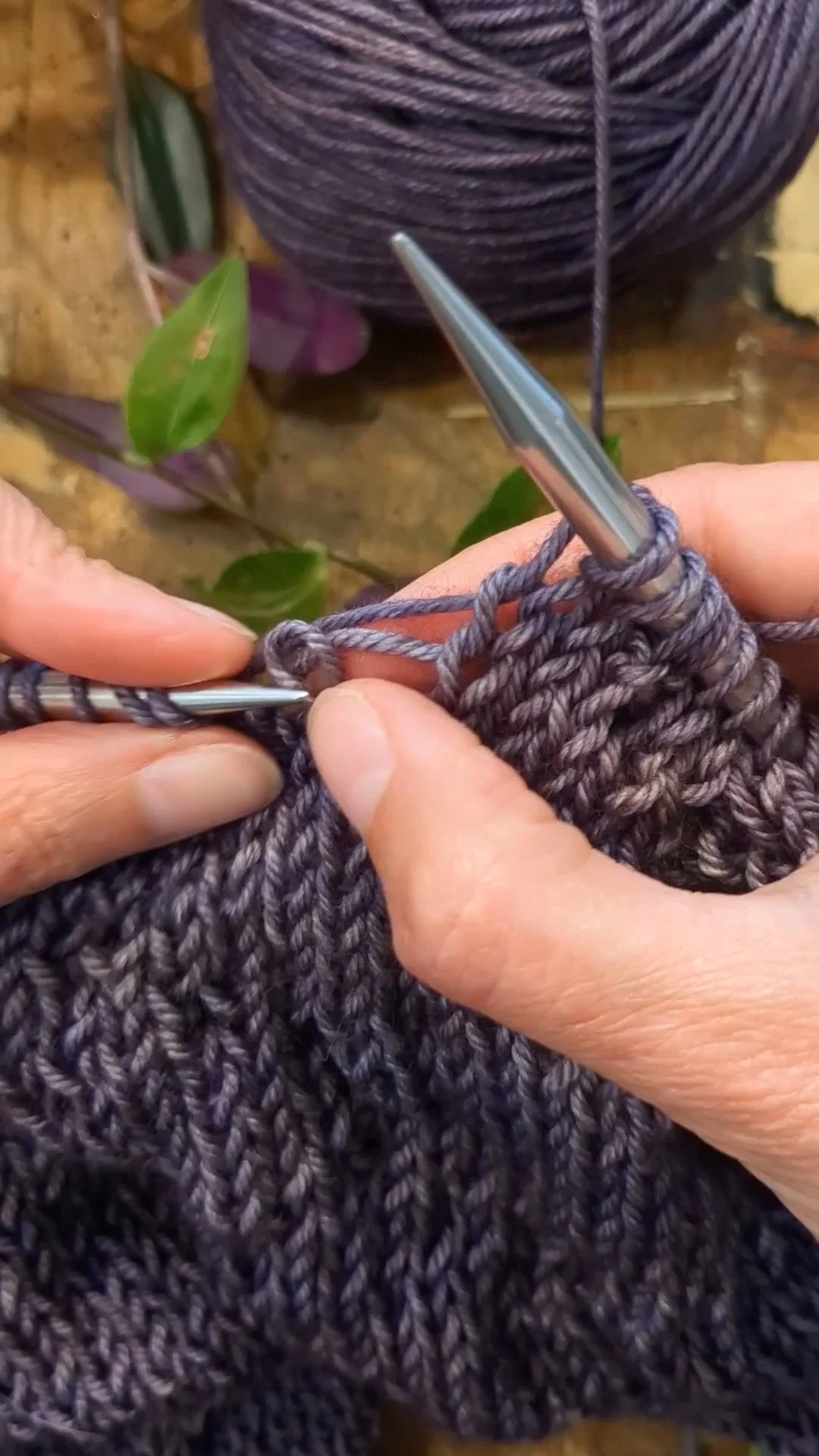
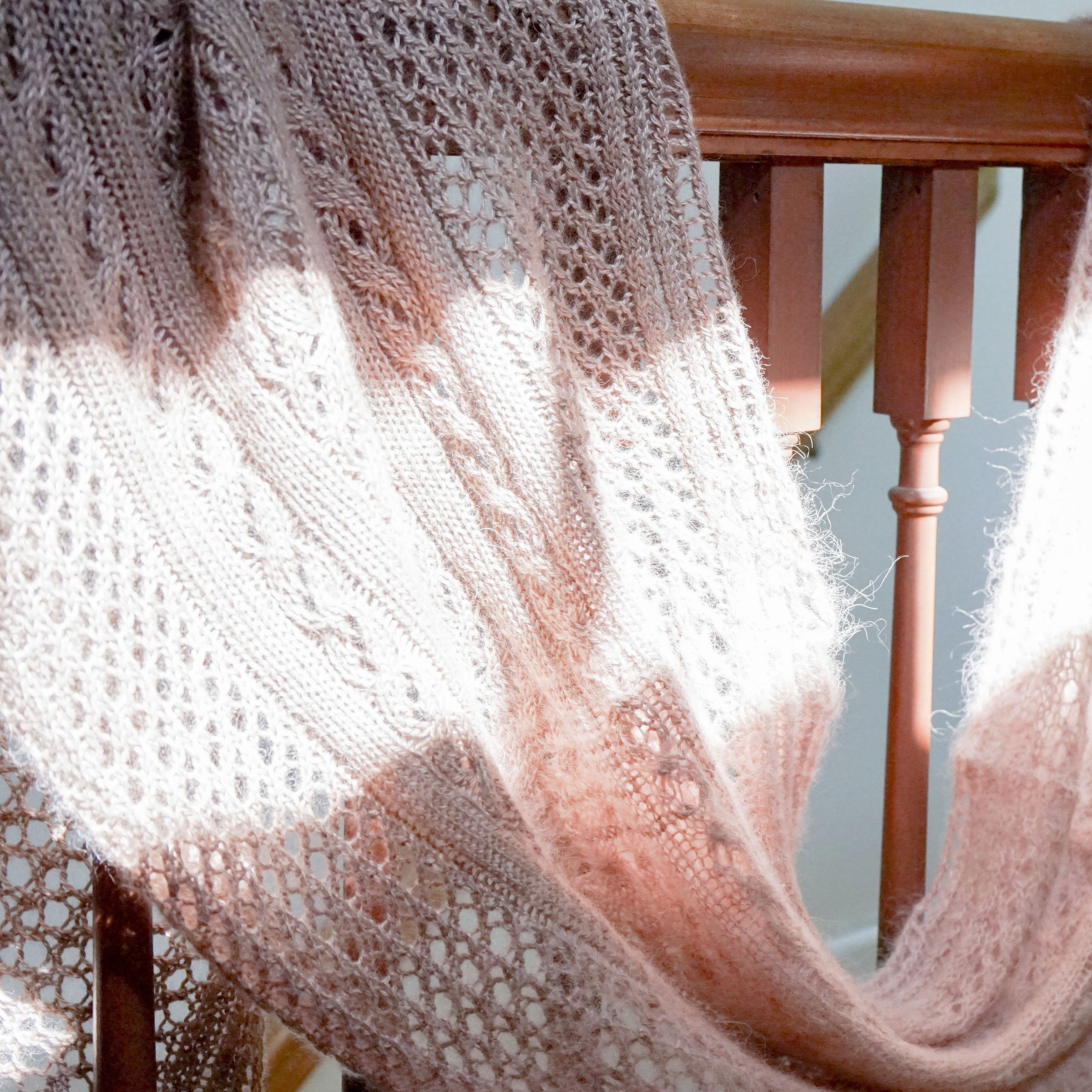
When new knitters ask me for advice, I think of these four things first.